



Understanding Soil Carbon and Its Global Impact
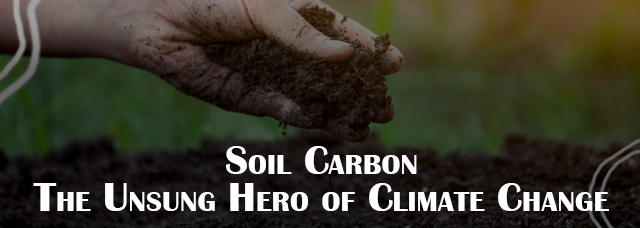
What is Soil Carbon?
Soil carbon refers to the carbon stored in the soil. It’s a vital component of the global carbon cycle, playing a crucial role in climate regulation, soil fertility, and overall ecosystem health. Let’s discover how its impact on global health.
Why is Soil Carbon Important?
- Climate Change Mitigation: Healthy soils act as carbon sinks, absorbing carbon dioxide from the atmosphere.
- Soil Health: Soil organic matter, rich in carbon, improves soil structure, water retention, and nutrient cycling.
- Crop Productivity: Healthy soils provide essential nutrients to plants, leading to higher crop yields.
Measuring Soil Carbon: Challenges and Opportunities
Measuring soil carbon is a crucial step in understanding its role in climate change mitigation and agricultural productivity. However, it’s a complex task due to the variability of soil properties and the depth of the carbon pool.
Techniques for Measuring Soil Carbon:
- Direct Measurement:
- Soil Sampling: Soil samples are collected from different depths and analyzed in a laboratory.
- Soil Organic Carbon (SOC) Analysis: Laboratory techniques like dry combustion or wet oxidation are used to measure the amount of organic carbon in the soil.
- Indirect Measurement:
- Remote Sensing: Satellite imagery and aerial photography can be used to estimate soil carbon based on vegetation cover and soil properties.
- Soil Carbon Models: Computer models can simulate soil carbon dynamics and predict future trends.
Challenges in Measuring Soil Carbon:
- Soil Variability: Soil properties vary widely across different locations and depths.
- Sampling Depth: Determining the optimal sampling depth can be challenging.
- Laboratory Analysis: Accurate and precise laboratory analysis is crucial for reliable results.
- Cost and Time: Soil sampling and analysis can be time-consuming and expensive.
Opportunities for Improvement:
- Advancements in Technology: New technologies like spectroscopy and hyperspectral imaging can improve the accuracy and efficiency of soil carbon measurements.
- Standardized Methods: Developing standardized protocols for soil sampling and analysis can enhance data comparability.
- Citizen Science: Engaging the public in soil sampling and monitoring can help collect valuable data.
- Data Sharing and Collaboration: Sharing data and knowledge can accelerate scientific progress and inform policy decisions.
Conclusion
By understanding and effectively measuring soil carbon, we can unlock its potential as a powerful tool in the fight against climate change. By implementing sustainable agricultural practices and supporting research and innovation, we can safeguard our planet’s future and ensure a healthy and productive environment for generations to come.